
Pathology
The American Osteopathic College of Pathologists (AOCP) is proud to provide educational courses to the virtual OMED 2026 platform. All AOCP CME activities are planned by a committee comprised of AOA Board-Certified Osteopathic Pathologists. The AOCP will provide a diversified CME program focusing on the art and science of Pathology. Information will be presented through lectures. Join the AOCP sessions and update your knowledge on topics ranging from pearls in pathology, updates in appendiceal pathology, laboratory utilization, vulvar dermatosis, and many more. As a result of attending these activities, physicians will gain a better knowledge of pathology in many forms.
Virtual sessions
Title
Speakers
CME Credit
Paleopathology: Lessons From the Past
John Kasimos, DO
Interesting Cases in GI
Laura Michael, DO
Pearls in Pathology 2026: Skin Pathology And Then Some
Steven Gustafson, DO
Ethical Issues in Laboratory Medicine
John Kasimos, DO
Autopsy 101
Randall McGivney, DO
Autopsy and Forensic Rise Preparation
Randall McGivney, DO
Overview of Pancreatic Ductal Adenocarcinoma: A Bird's Eye View
Aaron Huber, DO
Neuroendocrine Neoplasms of the GI Tract: Classification, Pathology, and Updates from the WHO, 6th Edition
Roula Katerji, MD
The Autopsy Problem
Phillip McMullen, MD, PhD
Paleopathology: Lessons From the Past
Learning Objectives
- Review the ways paleopathology studies diseases of antiquity
- Explain how the study of ancient diseases influences our understanding of those diseases in modern times
- Discuss how comparisons between ancient ailments and modern disease can contribute to improved treatment modalities
Speakers
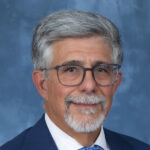
John Kasimos, DO
Interesting Cases in GI
Learning Objectives
- Review or enhance knowledge of GI pathology
- Explain when and what stains to order
- Describe what the findings mean to patient- treatment options
Speakers
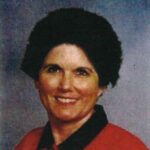
Laura Michael, DO
Pearls in Pathology 2026: Skin Pathology And Then Some
Learning Objectives
- Review skin diseases
- Review current diagnostic criteria and terminology
Speakers
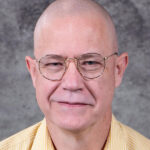
Steven Gustafson, DO
Ethical Issues in Laboratory Medicine
Learning Objectives
- Define ethics and understand how they guide personal and professional decisions and actions
- Explain how our ethics define us as medical laboratory professionals
- Describe common ethical dilemmas that may arise in the practice of laboratory medicine and examine their associated implications
Speakers
John Kasimos, DO
Autopsy 101
Learning Objectives
- Review pearls for benign and forensic neurodegenerative disease in the brain
- Discuss pitfalls of autopsy
Speakers

Randall McGivney, DO
Autopsy and Forensic Rise Preparation
Learning Objectives
- Review pearls for benign and forensic neurodegenerative disease in the brain
- Discuss pitfalls of autopsy
Speakers
Randall McGivney, DO
Overview of Pancreatic Ductal Adenocarcinoma: A Bird's Eye View
Learning Objectives
- Review the epidemiology and prognosis of pancreatic cancer
- Describe the gross and microscopic features of pancreatic cancer
- Discuss the molecular pathways that lead to the development of pancreatic cancer
Speakers
Aaron Huber, DO
Neuroendocrine Neoplasms of the GI Tract: Classification, Pathology, and Updates from the WHO, 6th Edition
Learning Objectives
- Review the classification of gastrointestinal neuroendocrine neoplasms
- Identify key histologic and immunohistochemical features used in diagnosis
- Discuss grading and its clinical significance in patient management
Speakers

Roula Katerji, MD
The Autopsy Problem
Learning Objectives
- Review the recent trends in autopsy performance, teaching, and quality
- Identify challenges and deficiencies in an autopsy service
- Develop strategies to overcome deficiencies and improve quality
Speakers
Phillip McMullen, MD, PhD